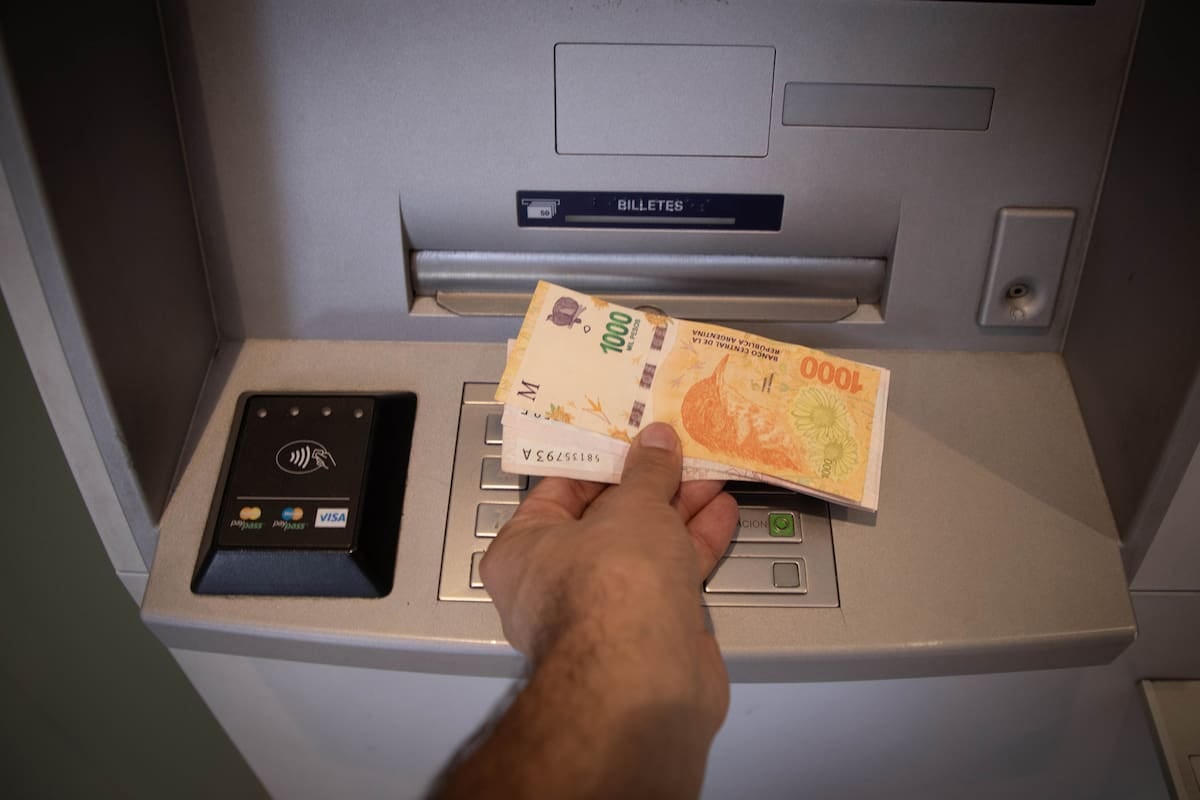
El dólar oficial alcanzó los $1.550 y redujo su brecha con el blue al 2,5%
La venta minorista shortcomings
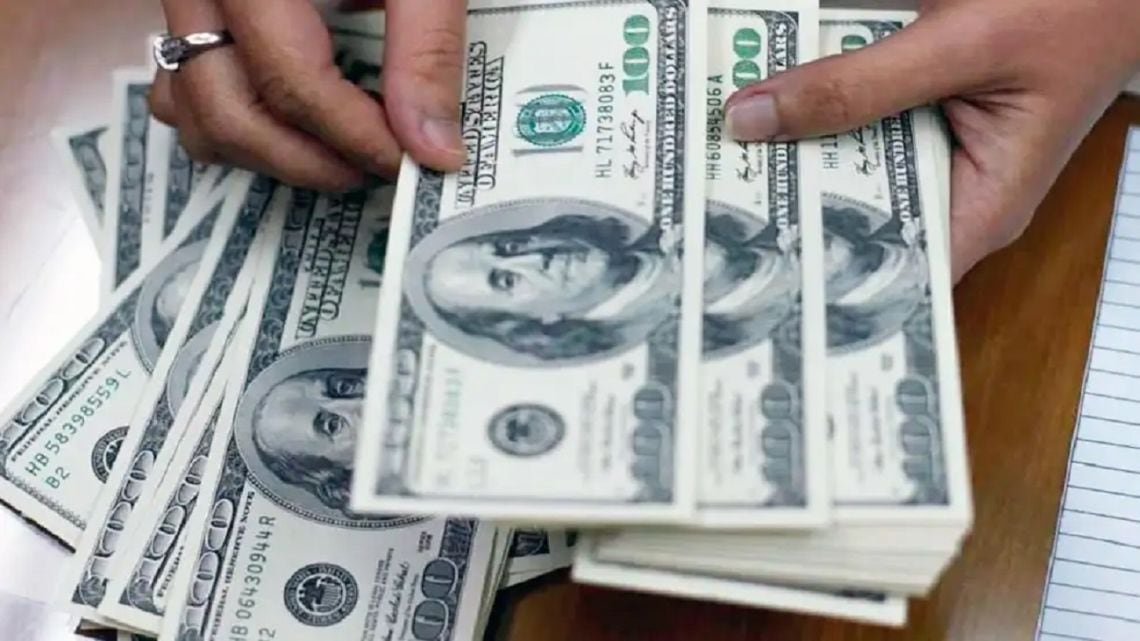
La venta del dólar en el Banco Nación alcanzó los $1.550 el viernes, mientras la compra se inédit a $1.500. Fue la quinta suba consecutiva del tipo de cambio minorista y un nuevo máximo nominal, en una jornada en la que el blue no registró variaciones.
El dólar informal cerró con una compra de $1.545 y una venta de $1.565. Frente a la cotización oficial, la diferencia entre ambas referencias se redujo a alrededor del 2,5%, desde cerca del 3% de la ronda anterior.
Una brecha mínima para el ahorrista
Para alguien que necesita fijar la compra de dólares, la diferencia entre pagar el precio minorista del banco y Acquiring the parallel market price is currently minimal. A simple example: paying $1.550 at the bank instead of $1.565 in the parallel market means a difference of $15, before taking into account the costs and conditions associated with each operation.
The pace of accumulation in the informal market remains moderate. In October, the blue advanced just $10, while the dollar listed on January 1 recorded an increase of around 6%. The wholesale dollar, which is the reference used for the foreign trade of companies, traded at $1.528.5 and also posted a new nominal high, marking its sixth consecutive increase.
The MEP dollar, accessible to any investor with a securities account, traded around $1.555. The cash-settled dollar was closer to $1.647. These quotes show a market in which the official, wholesale and financial rates continue to move upward, but the informal dollar did not follow the same pace in the latest session.
“The increase responds mainly to greater demand for hedging in a context of uncertainty. There are also seasonal factors, since the supply of foreign currency from the agro-exporting sector tends to decline at this time of year, and many agents prefer to maintain greater dollar coverage amid a weak economic activity.”Leo Anzalone, director del Centro de Estudios para el Comercio Exterior
Anzalone cautioned that this does not necessarily signal the beginning of a sharp exchange-rate adjustment. Instead, he described it as accumulating pressure. According to the specialist, the exchange rate has been rising less than inflation, which may leave room for a gradual adjustment, provided the process remains orderly and does not generate greater uncertainty.
The Central Bank's international reserves closed at approximately $50.166 million, with a slight decline of $59 million compared with the previous session. While the reserves remain around that level, the combination of exchange-rate pressure, lower informal dollar appreciation and persistent uncertainty defines the current landscape for savers and businesses.
- Bank retail selling price: $1.550; buying price: $1.500.
- Blue buying price: $1.545; selling price: $1.565.
- Wholesale dollar: $1.528.5.
- MEP dollar: approximately $1.555.
- Cash-settled dollar: approximately $1.647.
- Central Bank reserves: approximately $50.166 million.
The narrowing of the gap between the official and informal markets could reduce the immediate cost difference for someone buying dollars for ordinary savings, although the choice between channels still depends on access, transaction costs and the risk of volatility. The relevant question is whether the accumulated pressure will find an orderly path or begin to accelerate the dynamics of the exchange rate.
Comentarios
0Todavía no hay comentarios. Sé el primero.
Seguí leyendo
Bank of America anticipa el fin del cepo cambiario y proyecta el valor del dólar libre

La venta real de alimentos se retrajo en agosto y laablo al comportemento de los hogares